Understanding phobias
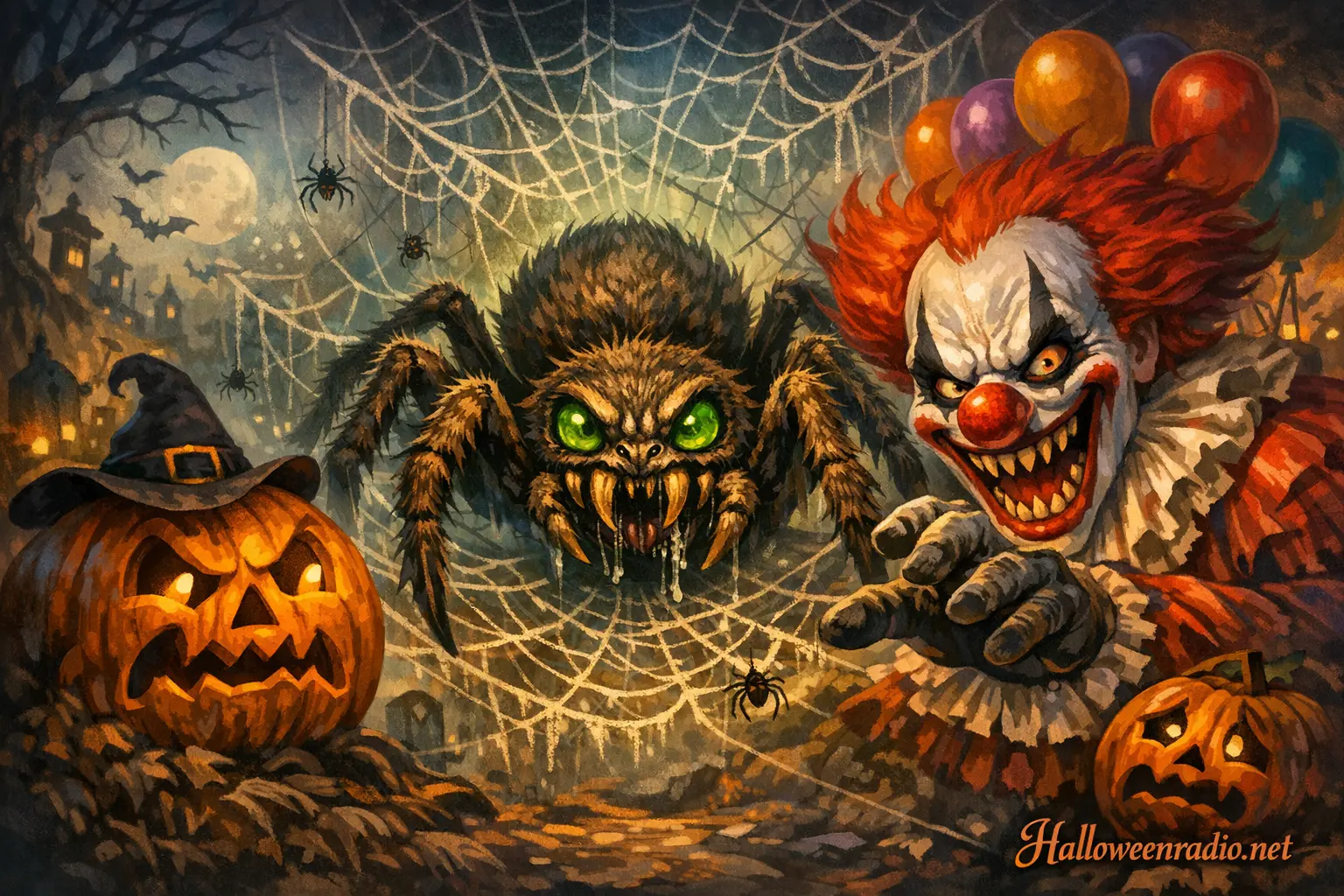
Phobias are intense, irrational fears that can provoke significant anxiety and distress. While many people experience fear in response to certain stimuli, phobias go a step further, often leading individuals to avoid situations or objects that trigger their fears. Two of the most common phobias are arachnophobia—the fear of spiders—and coulrophobia, which is the fear of clowns. With Halloween around the corner, understanding these fears can add an intriguing layer to our seasonal celebrations.
Why are we afraid of spiders?
Spiders are often perceived as creepy and unpredictable creatures. From their quick movements to their ability to appear suddenly, it's no wonder many people find them unsettling. Psychologists suggest that arachnophobia may stem from evolutionary adaptations. Early humans who were cautious of potentially dangerous animals—including spiders—may have had a survival advantage. This instinctual wariness has been passed down through generations, making spiders a common trigger for fear.
Additionally, cultural influences play a significant role in shaping our perceptions of spiders. Movies, folklore, and even Halloween decorations often portray spiders as ominous symbols. This media representation can reinforce existing fears, making it even harder for individuals to confront their phobia. Understanding these factors may help us approach our fears with a bit more empathy and insight.
The clown phenomenon
Coulrophobia, the fear of clowns, adds another layer of complexity to our understanding of phobias. Unlike spiders, clowns are often seen as symbols of joy and laughter—yet for many, they evoke feelings of dread. One reason for this fear could be the exaggerated facial features and unpredictable behavior of clowns, which can create a sense of unease. Their painted smiles may hide a darker truth, leading to discomfort.
Moreover, the rise of horror films featuring clowns, such as Stephen King's "It," has further cemented negative associations with these characters. This blending of humor and horror can create confusion, making it difficult for some individuals to differentiate between the two. As Halloween approaches, recognizing the origins of these fears can foster a deeper appreciation for the spooky season, allowing us to embrace the fun while respecting our own limits.
Embracing our fears
While phobias can be challenging, they also remind us of our shared human experiences. As Halloween lovers, we can acknowledge these fears and explore them through costumes, decorations, and storytelling. Whether you choose to confront your fears head-on or simply enjoy the thrill from a distance, remember that understanding the science behind phobias is part of what makes this time of year so fascinating.
So, as you prepare for Halloween festivities, consider delving into the world of phobias. Embrace the spooky, share your fears, and perhaps even find some humor in them. After all, Halloween is a time for fun, laughter, and a little bit of fright!